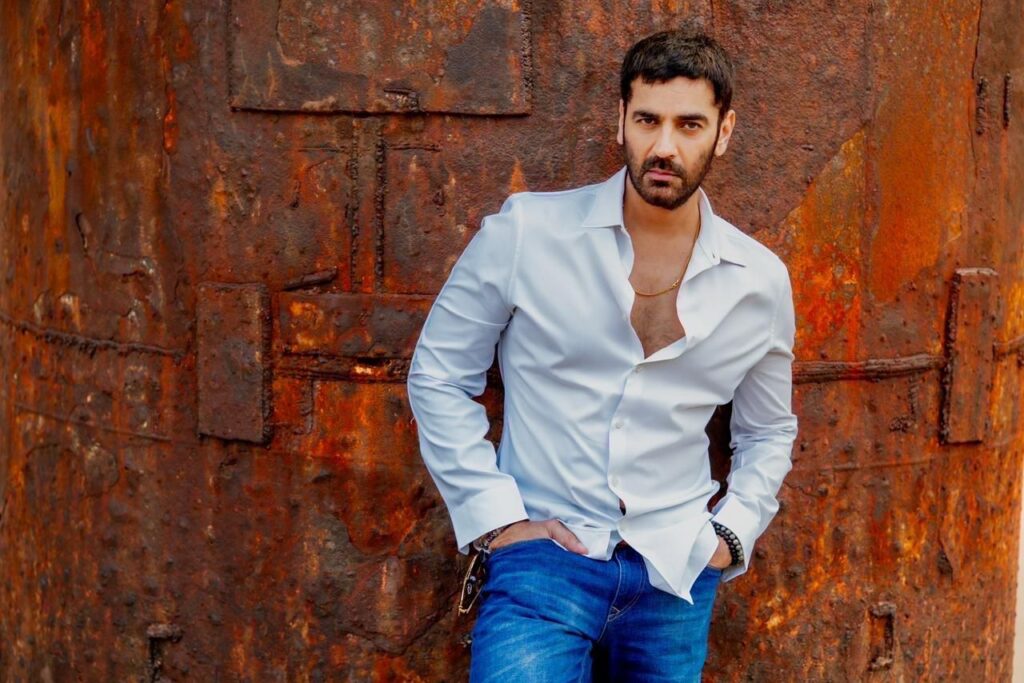
From commanding attention in landmark films like Guru and Fashion to delivering compelling performances in projects such as Rustom, State of Siege: 26/11, and Bestseller, Arjan Bajwa has steadily built a career defined by versatility, discipline, and thoughtful choices. Never one to be confined by a single genre, the actor has seamlessly navigated romance, drama, suspense, action, and now international horror, constantly reinventing himself while remaining rooted in his craft.
Today, Bajwa stands at an exciting crossroads in his journey. With The Wives, he reunites with acclaimed filmmaker Madhur Bhandarkar nearly two decades after Fashion, while Demon Hunters marks a significant milestone as the first official India-Taiwan co-production, expanding his presence onto the global cinematic stage. These projects not only reflect his evolving artistic ambitions but also underline the growing international reach of Indian talent.
In this exclusive conversation, Arjan Bajwa opens up about his creative evolution, working across cultures, the challenges of portraying psychologically layered characters, his passion for meaningful storytelling, and the legacy he hopes to build both as an actor and an entrepreneur in the years ahead.
Your upcoming film The Wives marks your reunion with mastermind director Madhur Bhandarkar years after the massive success of Fashion. How has your creative dynamic evolved since then, and what can audiences expect from this new cinematic chapter?
Reuniting with Madhur Bhandarkar after 18 years for The Wives truly felt like coming full circle. Fashion was a landmark film not only for Indian cinema but also for me personally because it taught me the power of layered storytelling and authentic characters. Over the years, both Madhur Sir and I have evolved creatively. Today, our collaboration feels even more instinctive and mature. The Wives explores a very intriguing emotional and social landscape, and audiences can expect a much deeper, darker, and more nuanced cinematic experience this time around. The film focuses on the emotional vulnerabilities, crushing pressures of maintaining a public image, and the intense insecurities that thrive under the shadow of a famous partner.
You are making history with the Indo-Taiwanese supernatural action comedy film Demon Hunters. What unique cultural or logistical challenges did you face while bridging Indian and Taiwanese filmmaking styles on set?
Demon Hunters was a fascinating experience because it brought together two very distinct cinematic cultures. Taiwanese filmmaking has a very disciplined and atmospheric approach to horror, while Indian cinema naturally brings emotional scale and dramatic intensity. The biggest challenge was blending these sensibilities seamlessly. Language, work rhythm, and technical execution differed at times, but cinema ultimately became the common language on set. That fusion actually became the film’s strength.
Demon Hunters represents a massive leap into international cinema. How did this cross-border collaboration come together, and what does it mean to you to represent Indian cinema on a global stage in the horror genre?
Being part of Demon Hunters is incredibly special because it represents a bridge between industries and cultures. The movie marks the first-ever official co-production between India and Taiwan, heavily backed by the Taiwanese government to promote cross-border cinematic ties. The collaboration happened organically through filmmakers who wanted to create a horror film with universal appeal while still retaining regional authenticity. For me, representing Indian cinema globally is a responsibility and an honour. Indian actors today are no longer confined by geography, and I think audiences worldwide are becoming more open to stories told through diverse cultural lenses.
In the psychological thriller web series Bestseller, you delivered a powerhouse performance opposite Shruti Haasan. What drew you to the dark complexity of that character, and how do you mentally prepare for roles that demand such intense psychological depth?
Playing Tahir Wazir in the psychological thriller Bestseller was a deeply rewarding experience because the character defied typical one-dimensional hero tropes, offering a deeply layered, unpredictable individual with an assertive personality. Stepping into the shoes of a celebrated novelist entangled in an intricate web of his own making opposite Shruti Haasan allowed me to tap into an extensive palette of human emotion. Streaming platforms have opened the door for highly nuanced storytelling. A gritty script like Bestseller gives an actor the creative canvas to explore absolute psychological shifts, keeping audiences constantly guessing about a character’s true motives. Working on a tense plot alongside powerhouse talents like Mithun Chakraborty, Gauahar Khan, and Shruti Haasan creates a sharp on-set chemistry. You naturally feed off each other’s focus, elevating the raw tension required for critical scenes.
From the grit of Fashion to the suspense of Rustom and the commercial energy of Son of Sardaar, your filmography spans vastly different worlds. When you look back at these milestone films, how do you feel they shaped your identity as an actor?
Every project has shaped me differently. Fashion gave me recognition and credibility, Rustom strengthened my connection with audiences who enjoy suspense-driven storytelling, Son of Sardaar introduced me to mainstream commercial entertainment, and Guru allowed me to be part of a truly iconic cinematic journey. Together, these films taught me versatility. They shaped me into an actor who is not afraid to move across genres and experiment constantly.
The transition from traditional big-screen cinema like Guru and Fashion to premium streaming platforms like Bestseller requires a shift in performance texture. How do you adapt your acting approach when shooting for an episodic OTT series versus a feature-length film?
OTT storytelling is far more intimate and layered because you have more time to develop a character over multiple episodes. A standard feature film gives an actor roughly two to two-and-a-half hours to establish a character’s entire journey, which demands immediate impact and faster pacing, whereas in web series the performance needs gradual progression and emotional continuity. For Bestseller, I had to maintain psychological consistency across a long narrative arc. The camera on OTT platforms also captures subtler emotions, so the acting approach naturally becomes more internalised and restrained.
Aaureus Prime celebrates individuals who redefine excellence. Throughout your career in a highly competitive industry, what personal philosophy or work ethic has kept you grounded and consistently focused on your craft?
I think consistency comes from discipline and perspective. The entertainment industry can be unpredictable, so I have always believed in focusing on the work rather than the noise around it. Fitness, self-awareness, and continuous learning have kept me grounded. I also believe that longevity in this profession depends on evolving as both an artist and a human being. Fame is temporary, but integrity toward your craft stays with you forever.
As an actor who has successfully navigated romance, intense drama, comedy, and now international horror, is there a particular genre or a specific type of character you feel you have not fully explored yet but are eager to tackle?
As an actor, I am highly focused on playing men in uniform—specifically an Indian Air Force pilot—and gravitating toward primary protagonist roles that drive a narrative forward. Driven by a desire for quality over quantity, I actively seek complex, detailed scripts that allow me to completely justify a character’s presence rather than simply trying to stay busy. Following my well-received performance as an NSG Commando in State of Siege: 26/11, I have always had a lifelong passion for real-life defence services and intend to continue hunting for roles representing the armed forces.
Working on an international project like Demon Hunters often exposes an actor to entirely new technical tools and storytelling formats. What is one major lesson or filmmaking technique you picked up on that set that you will carry with you into future projects?
One major takeaway from Demon Hunters was the precision with which international crews approach atmosphere and visual storytelling in horror. The technical detailing behind sound design, silence, lighting, and camera movement was extraordinary. I realised how much tension can be created without excessive dialogue. That understanding of restraint and mood-building is something I will definitely carry into future projects.
Audiences love seeing you reinvent yourself with every project. Can you give us a glimpse into your character in The Wives? How did you find your way into his mindset, and what makes him stand out from your previous roles?
In The Wives, my role is a significant, primary lead, and we are keeping the specific narrative details and my character’s name tightly under wraps for now. This role is a classic Madhur Bhandarkar creation. He has written a deeply layered, morally complex individual who completely avoids the typical, one-dimensional tropes of a standard commercial hero.
Beyond the flashing cameras, the scripts, and the international sets, who is Arjan Bajwa when the director calls “cut”? How do you switch off from these heavy, intense characters and find your balance in daily life?
Off-camera, I’m actually someone who values simplicity and balance. I enjoy fitness, travel, music, meditation, and spending time with close friends and family. After playing emotionally intense characters, it becomes important to disconnect mentally. I usually do that through physical activity, nature, and quiet time. Those moments help me reset and reconnect with myself beyond the world of cinema.
Looking ahead at this exciting new phase of your global career, what legacy do you want to build, and what is your ultimate vision for the kind of cinema you want to create and support in the coming years?
My absolute core intention in this industry is to do work that will be remembered long after I’m gone. I have always been highly selective about my scripts. I want my filmography to be viewed as a collection of thoughtful, selective stories rather than a rushed checklist of roles. I’m definitely exploring many different avenues beyond acting, which is something most people in this industry eventually do. You don’t have to limit yourself to just being an actor. Similarly, I’m also on the path of becoming an entrepreneur, and I’ve already begun working on it.
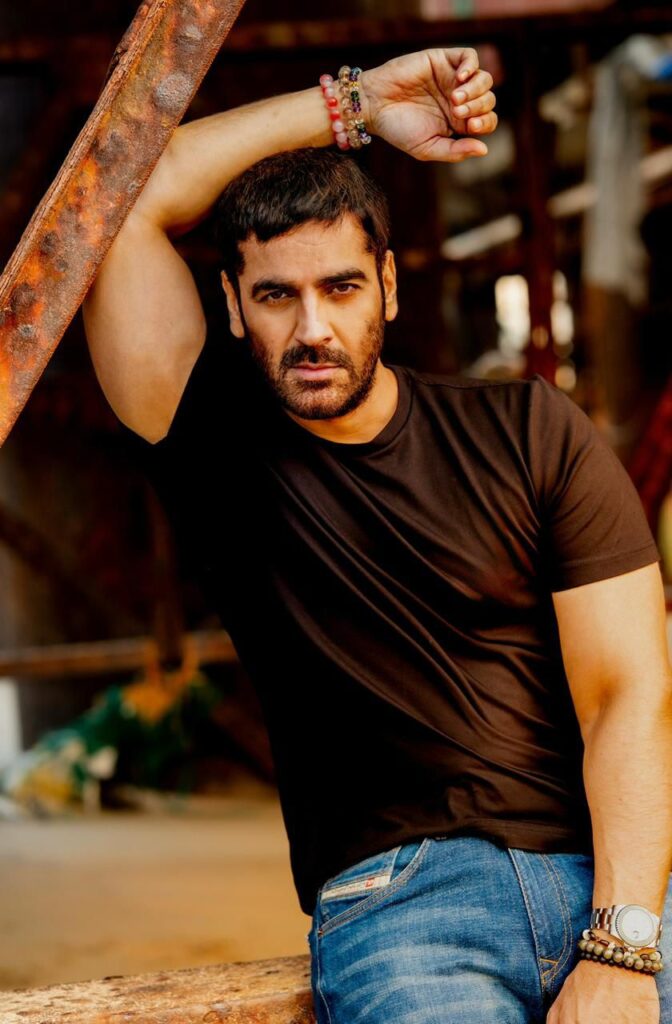
Arjan Bajwa’s journey is a testament to the power of patience, persistence, and purposeful reinvention. In an industry often driven by speed and visibility, he has chosen a different path—one built on selective storytelling, continuous growth, and an unwavering commitment to authenticity. Whether portraying emotionally complex characters, stepping into high-stakes action roles, or representing Indian cinema on international platforms, Bajwa approaches every project with the same dedication to excellence.
As he prepares for the release of The Wives and ventures into new territory with the international horror-comedy Demon Hunters, it is clear that he remains as ambitious and curious as ever. His willingness to embrace new challenges, collaborate across cultures, and push creative boundaries reflects the mindset of an artist who refuses to become predictable.
Beyond the screen, Bajwa’s focus on fitness, self-awareness, discipline, and personal evolution offers a glimpse into the values that have sustained him through an ever-changing entertainment landscape. Looking ahead, his vision extends beyond acting toward entrepreneurship and the creation of meaningful, lasting work. If his career so far is any indication, Arjan Bajwa’s most defining chapters may still be waiting to be written.
