The old corporate playbook of stoicism and overwork is being retired. The next generation of men is shifting the paradigm to build long-term career longevity.

Image Credit: Mizuno K on Pexels
For quite some time, the idea of ambition has been associated with getting results; having long days at work; working hard all the time; and having little time to relax. Some men, particularly male professionals, feel that they should do anything and everything to get ahead. But this definition of ambition is changing as we enter the year 2026, and that change is occurring through a slower, more considerate shift. Today’s young male professionals do not reject ambition; they are redefining it.
A New Definition of Ambition is Taking Shape
Ambition will now be achieved through layers of meaning. Financial rewards and advancement will always be important, but they won’t be the only means by which the younger generation determines their success. Younger professionals will have a different set of criteria for determining success:
- Do I find my job meaningful?
- Am I able to continue at this pace?
- Who am I outside of this career?
Questions such as these are leading the next generation of young male professionals toward an alternate type of career path, i.e., one which may not be linear but instead very deliberate.
Why Hustle Culture is Losing Its Appeal
The rejection of hustle culture is not a rejection of hard work. It is a rejection of the idea that exhaustion is a badge of honour. This shift has been building for years, and the younger workforce is now making it impossible to ignore.
The Rise of Flexible and Purpose-Driven Work

Image Credit: MART PRODUCTION on Pexels
A huge aspect of modern-day work culture that has changed quite considerably is the eradication of ‘hustle culture’. The mentality that over-exhaustion equals achievement is slowly becoming null and void; this has been accelerated due to the pandemic, which brought to light the reality of burnout. Younger workers today want to experience a sense of balance in their work lives, rather than seeing this as a trade-off, as opposed to building a successful career.
And we are now witnessing this generation seek out flexible working conditions such as remote, hybrid and contract-based employment, thus giving them the autonomy they desire regarding how they work. This shift in mentality is also forcing companies to establish new structures. The present-day worker does not just want a job but is seeking out an alignment of purpose with the organisation they are supporting; subsequently, the employees are looking for organisations whose value systems mirror their own, and purpose, culture and value are now on par with compensation.
Mental Health is Now Part of the Ambition Conversation
Additionally, the mental health of a person is now viewed as an important consideration when discussing ambitions. The belief that someone can achieve career success without having emotional well-being has started to gain a new level of acceptance. Younger male professionals, in particular, have become more vocal about having difficulties with stress, anxiety and burnout as well as seeking help in the form of therapy, which was once thought of as taboo. Because of this growth in openness about their mental health, many conversations surrounding mental health are now more public and considered normal, and many individuals are encouraging their friends to participate in these types of discussions.
How Modern Men are Redefining Masculinity and Strength
The old image of the strong, silent man who never shows weakness is being quietly retired. A new understanding is emerging — one that sees emotional openness not as a liability but as a mark of genuine strength. This shift is perhaps the most significant cultural change happening among male professionals today.
Emotional Resilience as a Career Skill
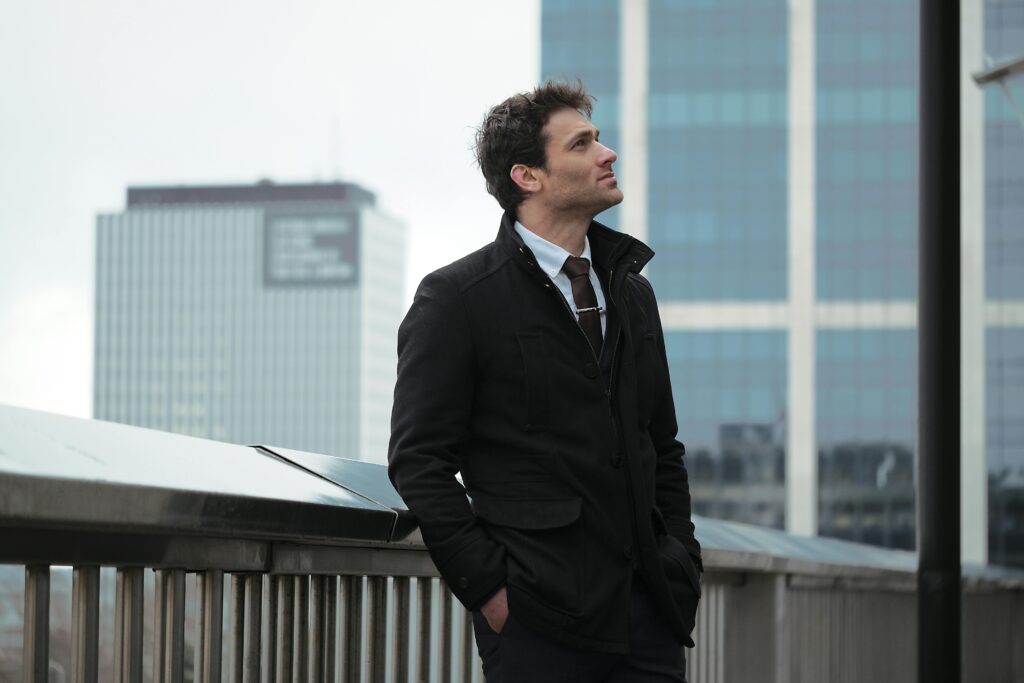
Image Credit: Vincent Santamaria on Pexels
Men’s views of what it means to be strong are also evolving as the ideas of how to define masculinity have changed. For many years, emotional stability was synonymous with strong men. This belief is now being challenged by a greater understanding that vulnerability and ambition do not have to be mutually exclusive. It is becoming more common for men working in high-pressure careers to use their ability to acknowledge the pressure they feel, process their feelings and seek help as a way to gain a competitive advantage.
Emotional resilience is becoming one of the key competencies for long-term success; however, it is a new concept and appears very different from how we once viewed resilience. Previously, resilience was about “holding up under pressure” or “toughing it out“. Today, resilience involves:
- Being adaptable and navigating uncertainty with clarity
- Bouncing back from challenges without losing momentum
- Thinking clearly under pressure rather than suppressing emotion
Men are becoming increasingly aware that they need to build emotional resilience in addition to their professional achievements, and many men are now working towards this goal. The emphasis on personal development has shifted from just professional success to emotional well-being. Fitness has also changed in that it is no longer solely for the purpose of looking good but for building mental resilience, helping to reduce stress, and overall improving quality of life.
Building an Identity Beyond the Job Title
In the past, a man’s identity was primarily attached to his career success. In today’s time men are building success that lies outside of their professional careers, from side projects and gigs, be it music, art, poetry or much more. This shift allows men to express themselves more freely and to have their own creative identities.
The growth of social media and long-form content sites has contributed greatly to the rise of this trend. Audiences today are interested in the honest portrayal of someone’s life through a series of candid conversations in which they share their experiences, including setbacks, failures, burnout, their reinvention and the challenges associated with mental health. With the popularity of podcasts, these types of honest conversations have become much easier for audiences to consume. The younger workforce appears to connect more with authenticity than with a pristine product. This has contributed to a more common acceptance of admitting “I’m not perfect; I’m just trying to figure it out.”
Emotional Intelligence is the New Leadership Currency
Due to recent changes in the way businesses operate, many businesses are focusing on qualities associated with emotional intelligence such as communicating effectively, having empathy and being aware of one’s own emotions. In addition, leaders are being assessed on not only their ability to make decisions but also on their ability to empathise with those they are leading, resolve conflict and create trust with others. Oftentimes the most effective leaders are those that do not voice their opinions loudly but instead act in a self-aware manner.
Relationships and Real Life as Measures of Success
Many individuals entering the workforce in their 20s are no longer willing to trade their professional relationship for their personal relationships or vice versa. Many will prioritise spending time with family, developing friendships, and having quality experiences as necessary and significant, not optional. This reflects a growing belief that success, whether or not it is your success, cannot be enjoyed or achieved without others; therefore, it will seem like an incomplete success.
Sustainable Ambition is Replacing Burnout Culture
As we continue to shift from ambiguous to well-defined, we are also in the midst of a major cultural shift: ambition is evolving into a more sustainable way of advancing our respective industries and communities. In the past, burnout culture has been glorified; however, the current perception is that burnout is now a red flag, and thus, we are beginning to see the evolution of our respective successes without compromising our health or integrity.
Success today is no longer viewed as boring. Success today is viewed as aspirational. The pursuit of happiness is now considered part of the job. Before, happiness was perceived as secondary; today, happiness is the focus.
As ambition begins to shift from traditional ideals of achievement to discovering a true self, ambition is still tied to growth; however, the goals around growth are changing and becoming more balanced rather than one-sided. Ambition is still tied to success, but the definition of success today is tied to developing self-awareness in our personal journeys as well as in the workplace. Additionally, ambition remains tied to resilience, as it is critical for resilience to understand past experiences and trauma in order to continue making sound decisions.
Conclusion
The male professionals of the next generation will not walk away from ambition. Instead, they will not accept the mindset of striving for ambition; they will create ambition that is based on humanity and character, as well as sustainable achievement.
And perhaps that is the most ambitious thing of all — to succeed on your own terms, without losing yourself in the process. The goalposts have not disappeared. They have simply been moved to a place where the whole person can reach them, not just the professional.
About the Author
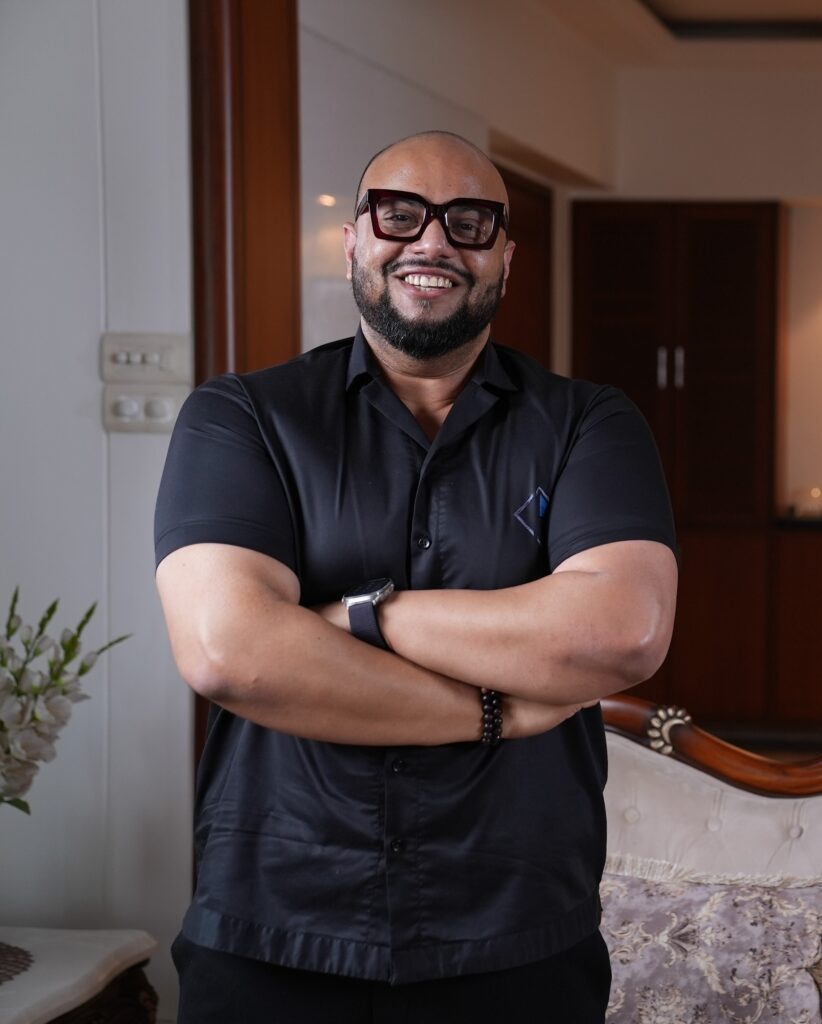
Vinayak Burman is the Founder and Managing Partner of Vertices Partners and the host of The Lifeboat Podcast. Through his work with startups, founders, and business leaders, he has gained a front-row view of how ambition, leadership, and success are evolving in today’s professional world. His writing explores the intersection of career growth, emotional resilience, workplace culture, and personal development. Through both his advisory work and podcast conversations, Vinayak examines the realities of building businesses, navigating uncertainty, and creating sustainable success in an increasingly complex and fast-changing environment.
