Rajesh Rai discusses how the Reebok–Jerai Fitness collaboration reflects a larger shift toward manufacturing-led growth, premium fitness infrastructure, and India’s emergence as a global fitness equipment hub.
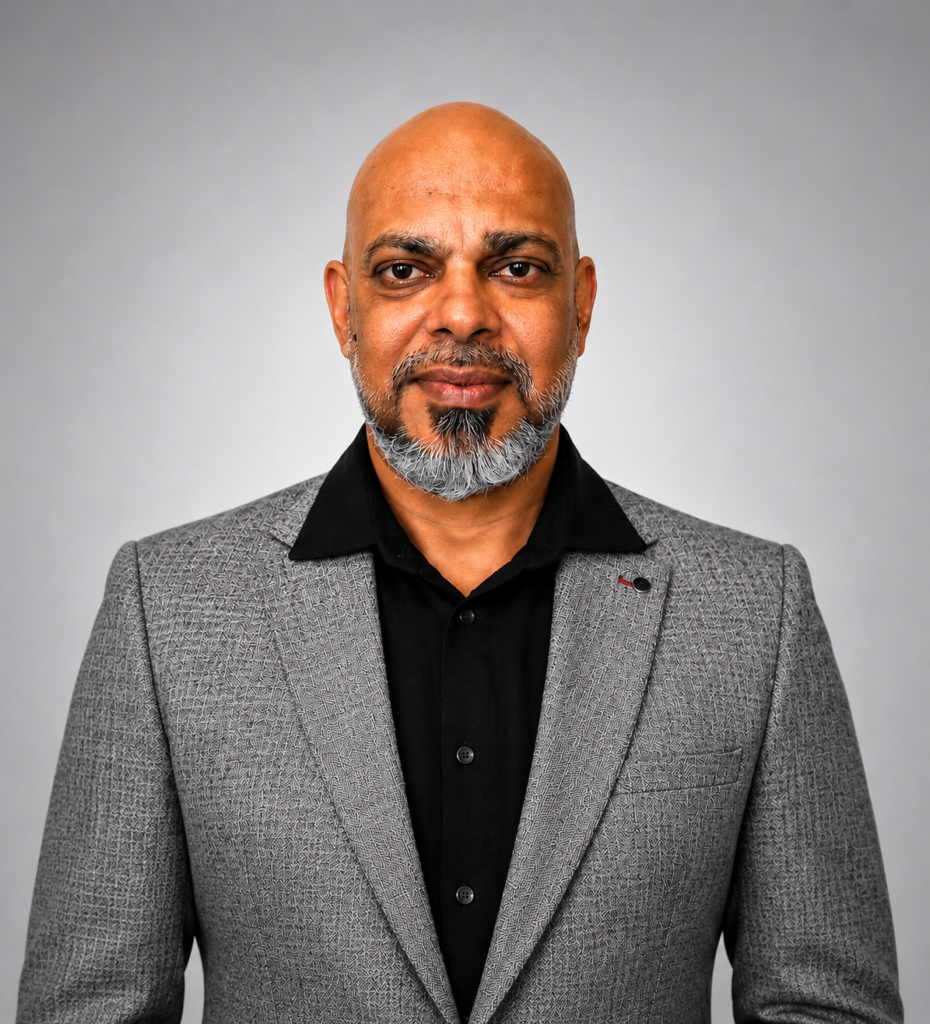
The fitness industry is no longer just about gyms, dumbbells, and treadmills. It has become a reflection of how people live, train, and invest in their health. As the market evolves, so does the business behind it. For years, the fitness industry in India has largely been shaped by imported equipment, global distribution models, and international brands entering the market through retail-led strategies. Global brands are now looking beyond traditional retail expansion and focusing on stronger manufacturing ecosystems, faster supply chains, and regional partnerships that can support long-term growth. India, with its rapidly growing fitness culture and manufacturing capabilities, is becoming an important part of that shift.
At the centre of this changing landscape is the collaboration between Reebok and Jerai Fitness — a partnership that brings together global brand recognition and Indian manufacturing expertise. In this exclusive interview, Jerai Fitness opens up about its strategic collaboration with Reebok and what it means for the future of fitness equipment manufacturing across India and neighbouring markets. It also reflects a larger industry movement where local companies are no longer seen only as suppliers but as strategic growth partners capable of building products for international markets at scale.
When it comes to manufacturing gym and sports equipment, Jerai Fitness is a big name. known for its strength-focused commercial gym solutions and large-scale manufacturing capabilities. With over three decades in the industry, the company has built a strong presence across gyms, fitness chains, training centres, and institutional fitness spaces in India and international markets. Combining advanced manufacturing infrastructure with industry-focused innovation, Jerai Fitness has emerged as a key player in India’s growing fitness equipment ecosystem.
In this exclusive conversation with BestForHim, Mr Rajesh Rai talks about the thinking behind the partnership, the opportunities emerging in the fitness equipment sector, and how branding, manufacturing, and consumer expectations are evolving together. The discussion goes beyond business expansion and touches on the future of fitness infrastructure, premiumisation in equipment, and India’s growing role in shaping the next chapter of the global fitness industry.
Reebok has traditionally been a consumer-facing brand in footwear and apparel. What strategic opportunity or gap were you aiming to address by extending Reebok’s brand into the fitness equipment space through this partnership?
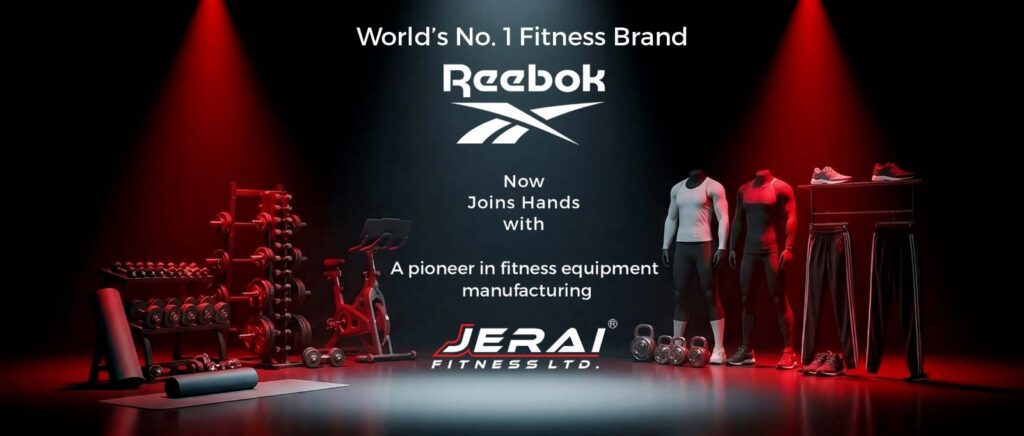
The partnership addresses a gap between global brand recognition and localised manufacturing capabilities in the fitness equipment segment. While Reebok has strong brand equity in apparel and footwear, its presence in fitness equipment manufacturing and distribution in India has been limited.
Jerai Fitness Limited (hereinafter referred to as “Jerai Fitness”), with its established position, capabilities and industry expertise, enables the development and supply of fitness equipment under the licensed Reebok brand in India, Nepal, Sri Lanka and Bangladesh (the “defined markets” or “neighbouring markets”). This strategic partnership allows for the delivery of fitness equipment aligned with international brand standards while being manufactured locally to serve regional demand efficiently.
How does this strategic partnership change Jerai Fitness’ position within the competitive fitness equipment landscape, both in India and globally?
This strategic partnership enhances Jerai Fitness’ positioning by enabling it to operate as a licensed manufacturer and distributor for a globally recognised brand within defined markets.
It strengthens credibility in both domestic and neighbouring markets and supports expansion beyond its existing footprint. However, Jerai Fitness will continue to operate within the scope of the licensing agreement between Reebok and Jerai Fitness.
In practical terms, what will be different about Reebok-branded equipment compared to your current offerings?
Reebok-branded equipment will be positioned as products manufactured by Jerai Fitness, aligned with the brand’s specifications and standards.
While the core manufacturing capabilities remain the same, these products will reflect brand-led positioning, design alignment, and product categorisation as defined under the licensing agreement, rather than representing a fundamentally different manufacturing process.
In a category driven largely by performance and durability, how do you see branding influencing purchase decisions going forward?
Performance, durability, and reliability will remain key decision drivers in the fitness equipment segment. However, branding can influence customer perception, particularly in institutional and premium segments.
The use of a globally recognised brand such as Reebok may support customer confidence, alongside Jerai Fitness’ existing manufacturing capabilities.
To what extent is this strategic partnership about expanding market access versus moving up the value chain?
The strategic partnership supports both market access and value enhancement.
It enables Reebok-branded products to be manufactured and distributed in defined markets through Jerai Fitness’ manufacturing infrastructure, while also allowing Jerai Fitness to participate in higher-value segments associated with branded product offerings.
The use of a globally recognised brand such as Reebok may support customer confidence, alongside Jerai Fitness’ existing manufacturing capabilities.
The strategic partnership involves the manufacturing and distribution of fitness equipment under the Reebok brand licensing in accordance with agreed specifications.
While Jerai Fitness’s manufacturing infrastructure remains central, product design, branding, and positioning will be aligned with Reebok’s requirements. It is not merely a relabelling exercise, but the extent of differentiation is governed by the terms of the licensing arrangement.
To what extent is this strategic partnership about expanding market access versus moving up the value chain?
Jerai Fitness leverages its advanced manufacturing capabilities to meet specified quality and production standards under the licensing agreement while benefiting from local cost efficiencies.
This enables the company to offer fitness equipment that aligns with brand expectations while remaining competitive in Indian and neighbouring markets.
What structural changes, across manufacturing, distribution, or customer engagement, have been necessary to support this strategic partnership?
Structurally, the strategic partnership leverages Jerai Fitness’ existing strengths, including its fully automated production process, dedicated storage infrastructure, and distribution network of 9 international distributors and 2 distributors in India.
The strategic partnership involves scaling operations to meet increased demand, aligning manufacturing outputs with global brand expectations, and expanding distribution through showrooms and the website. This ensures a seamless flow from production to customer engagement while maintaining efficiency and consistency.
Do you see India evolving into a global manufacturing hub for fitness equipment, and how is Jerai Fitness positioned within that shift?
As per the industry report prepared by Wazir Advisors Private Limited, India has the potential to emerge as a competitive manufacturing base for fitness equipment, supported by cost advantages, increasing domestic demand, and improving manufacturing capabilities.
Jerai Fitness demonstrates the capability to manufacture fitness equipment at scale with over three decades of experience, a fully automated manufacturing facility, and adherence to international certifications such as ISO certifications, the American Society for Testing and Materials by Global Testing Services Company Limited, and European safety standards for stationary training equipment.
How will this strategic partnership impact your go-to-market strategy across institutional buyers versus emerging consumer segments?
The licensed fitness equipment is primarily positioned for professional and commercial fitness segments, in line with the scope defined under the licence agreement.
Jerai Fitness will leverage its distribution network to serve institutional buyers, with any expansion into other segments being subject to the terms of the licensing agreement.
Global fitness and sports brands such as Technogym and Life Fitness have traditionally entered India through distribution-led models, while brands like Decathlon have built scale through local sourcing and manufacturing. How does this manufacturing-led partnership differ, and do you see this becoming a more scalable model for global brands entering the fitness equipment space in India?
This strategic partnership is structured as a manufacturing-led licensing model, where products are manufactured locally under a global brand license.
This approach allows for greater control over production, cost efficiencies, and supply timelines compared to import-dependent distribution models.
Do you see this strategic partnership as a step towards building an integrated fitness ecosystem where apparel, equipment, and training environments are more closely connected?
The strategic partnership may support a more integrated offering across product categories; however, Jerai Fitness’s role remains focused on equipment manufacturing and distribution under licence.
Any broader ecosystem integration would depend on future strategic developments.
Could this model pave the way for more global consumer brands entering the equipment space via local manufacturing partnerships, and how does Jerai Fitness plan to stay ahead in that shift?
This model demonstrates how global brands can leverage local manufacturing partnerships for market entry and expansion.
The focus of Jerai Fitness remains on strengthening its manufacturing capabilities, maintaining compliance with international standards, and executing long-term partnerships.
What metrics will define success for this strategic partnership over the next 3–5 years? Market share, premiumisation, exports, or something else?
Success for this strategic partnership will be assessed through a combination of operational and market-based indicators rather than any single metric. These include:
- Scale-up in manufacturing and distribution of licensed fitness equipment;
- Expansion within the defined territories under the licensing agreement;
- Strengthening presence in the commercial fitness equipment segment;
- Consistent adherence to quality and brand standards as required under the agreement; and
- Ability to achieve sustainable growth while maintaining operational efficiency.
Additionally, the licensing agreement provides a structured framework for performance through defined commercial terms, which will guide the progress of the collaboration over the term of the agreement.
Looking ahead, do you see Jerai Fitness transitioning from a manufacturing-led company to a more brand-driven organisation, and what would that evolution look like?
Jerai Fitness remains a manufacturing-led company. The strategic partnership represents an opportunity to participate in branded product segments; however, it does not change the fundamental nature of the business into a brand-owning entity.
