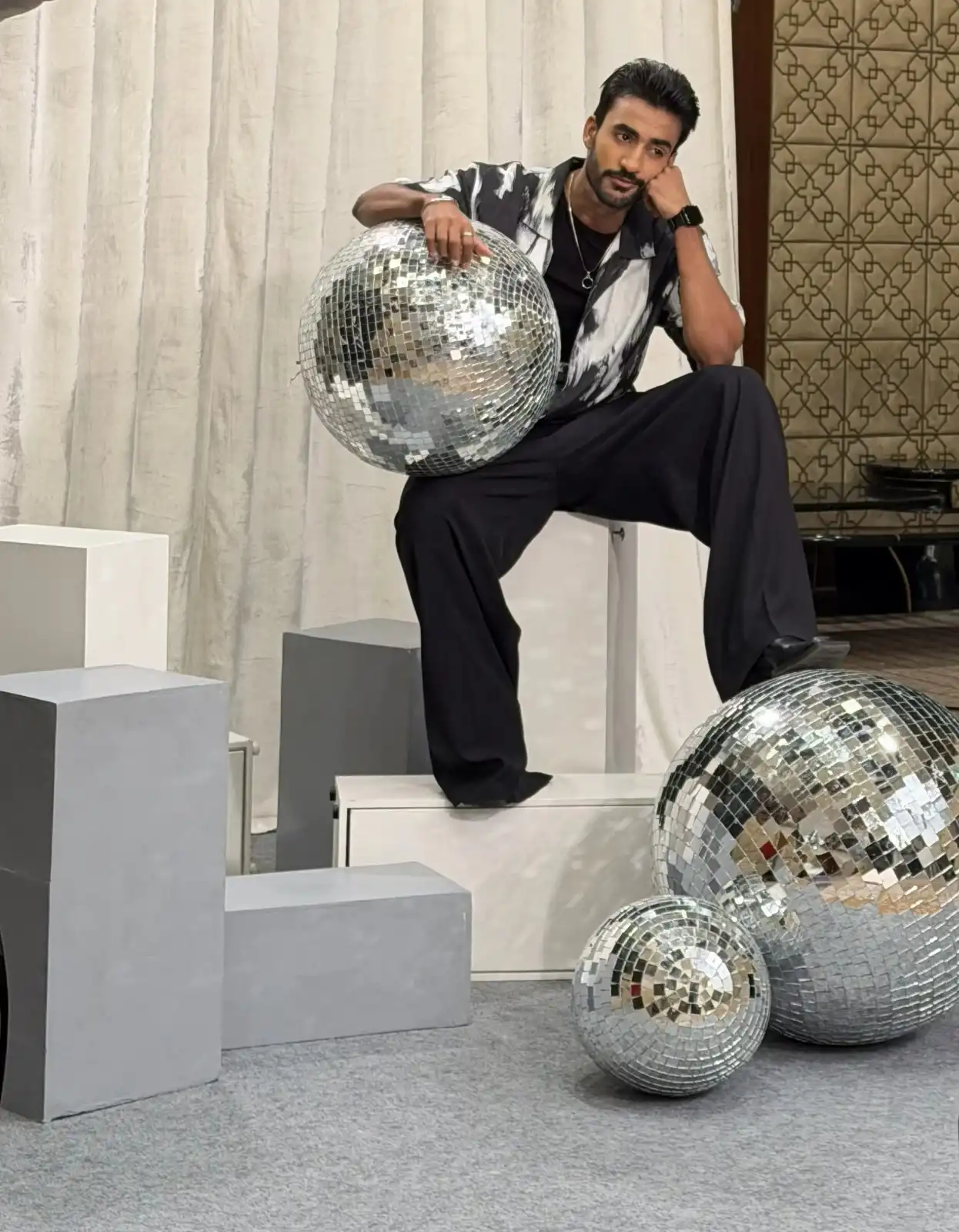
In the ever-scrolling world of social media, few creators manage to turn attention into authority. With a community of 2.4 million and counting, Vivek Keshari is not just riding the wave of travel, fashion, and lifestyle content—he’s shaping it. What began as a refusal to wait for validation has grown into a personal brand rooted in discipline, instinct, and reinvention.
From curating cinematic travel frames to building a physique that reflects long-term commitment rather than shortcuts, Vivek represents the modern Indian man who understands that influence comes with responsibility. Grooming isn’t vanity. Fitness isn’t a phase. Style isn’t random. Everything is intentional.
He speaks openly about the grind behind the glamour—the early mornings, the structured routines, the pressure of performance, and reminds young men that success isn’t about looking successful. It’s about building skills, mindset, and identity that last beyond trends.
As we sit down with Vivek Keshari, we explore ambition, masculinity, discipline, fitness, freedom, and what it truly means to evolve in a world obsessed with instant results.
Vivek, take us back to the beginning — what inspired you to start creating content on Instagram?
Ans: Honestly? I just didn’t want to wait. I didn’t want to wait for auditions, approvals, or someone to “discover” me. I always knew I had presence — Instagram just gave me a space to express it. It started as fun, but deep down, I knew I wasn’t just uploading content. I was building something.
You’ve built a massive 2.4M community on Instagram — when did you realize content creation was more than just a hobby for you?
Ans: The moment I saw people actually act on what I was sharing. When brands came back not just for reach, but for results. That’s when it clicked—this isn’t attention, this is influence. And influence, if used right, is power.
As someone constantly creating content on the move, how do you strike a balance between genuinely experiencing a place and documenting it for your audience? Has that balance evolved over time?
Ans: I used to overthink every moment—angles, lighting, transitions. Now I’m smarter. I plan my content in blocks. I shoot what I need, and then I switch off. If you’re constantly filming, you’re not really living. And honestly, I don’t want to lose real life just for content.
Looking ahead five years, how do you envision your brand evolving? Are there plans for entrepreneurship, collaborations beyond fashion, or perhaps stepping into larger media formats?
Ans: If I’m still just creating content the same way, I’ll be disappointed in myself. I see ownership—maybe a grooming or fashion brand. I see acting on bigger platforms. I see long-format storytelling. I don’t want to stay relevant. I want to grow.
For young creators wanting to enter the travel niche, what’s the biggest misconception they should be aware of?
Ans: That it’s glamorous 24/7. It’s not. It’s early mornings, constant planning, editing on flights, negotiating deals, staying “on” even when you’re exhausted. If you think it’s a holiday, you won’t last.
The influencer space is highly competitive, especially within travel and fashion. What do you believe truly sets Vivek Keshari apart? Was it strategy, instinct, consistency — or a combination of all three?
Ans: I don’t try to be everyone. A lot of people chase trends. I filter everything through who I am. Yes, there’s strategy. Yes, there’s consistency. But instinct is what gives identity. And identity is what builds loyalty.
How important is grooming and presentation in building a lifestyle brand today?
Ans: Very. Especially in lifestyle. You can’t sell aspiration if you don’t embody it. Grooming isn’t about vanity; it’s about respect. Respect for your audience and respect for your own brand.
Social media often amplifies both admiration and criticism. How do you personally deal with online negativity or unrealistic expectations? Has public scrutiny changed the way you view yourself?
Ans: Earlier, it used to sting. I won’t lie. But now I’ve learned to separate noise from feedback. If there’s truth in it, I grow. If it’s just a projection, I ignore it. You can’t build anything meaningful if you’re scared of opinions.
When you started, success might have meant follower milestones or brand deals. Today, with an established presence, what does success truly mean to you?
Ans: Freedom. The freedom to say no. The freedom to choose the kind of work I align with. Of course, numbers matter, but control over your own path? That’s real success.
What advice would you give to young men who want to build a career in travel, fashion, and lifestyle content?
Ans: Stop trying to look successful. Build skills first. Learn storytelling. Learn editing. Learn how to communicate. A good outfit can grab attention, but a strong personality keeps it.
Your style has become a signature — polished, confident, and aspirational. How would you describe the evolution of your fashion sense? Do you consciously curate your wardrobe to reflect your brand, or is it a natural extension of who you are?
Ans: Earlier, I was experimenting a lot—trying trends, testing different looks. Now I’m more intentional. My style reflects how I see myself: confident, polished, slightly cinematic. It’s not random anymore. It’s curated.
You represent a new-age male influencer — blending travel, fashion, grooming, and aspiration. How do you think men today are redefining lifestyle and self-expression compared to previous generations?
Ans: Men are finally allowing themselves to care about grooming, fashion, fitness, and self-growth. Earlier, it was mocked. Now it’s respected. That shift is powerful, and I’m glad to be part of that conversation.
If tomorrow social media platforms disappeared, who is Vivek Keshari beyond the grid? What passions or ambitions would you pursue outside the digital spotlight?
Ans: An actor. A performer. Someone ambitious. Social media amplified me, but it didn’t create me. If the platform disappears, I’ll build somewhere else. The hunger doesn’t depend on an app.
Behind every perfectly edited reel is strategy and structure. Can you walk us through what a typical workday looks like for you? How involved are you in the creative, production, and business sides of your brand?
Ans: Disciplined. Gym in the morning because energy is everything. Planning calls. Brand discussions. Shooting. Reviewing edits. Negotiations. I’m very involved—creatively and commercially. If my name is on it, I need to understand it.
Finally, when people think of Vivek Keshari years from now, what do you hope they associate with your name — beyond numbers and aesthetics?
Ans: Growth. Reinvention. Someone who didn’t stay stuck in one lane. Not just a creator—but someone who kept evolving.
In your opinion, what is the biggest mistake men make when starting their fitness journey — chasing aesthetics, shortcuts, or unrealistic timelines? And how can this be prevented?
Ans: Unrealistic timelines. Most men don’t quit because they can’t train—they quit because they expect a six-month body in six weeks. That pressure leads to shortcuts—extreme diets, overtraining, and random supplements.
The fix is simple but uncomfortable: commit to a 1–2 year mindset. Stop asking, “How fast?” Start asking, “Can I sustain this?” Fitness is not a transformation project. It’s a lifestyle shift.
Do you think men in India are becoming more aware of nutrition, or is fitness still more workout-focused than diet-focused?
Ans: It’s still heavily workout-focused. Guys will train hard for 90 minutes and then ruin it with careless eating.
We’re improving, yes—protein awareness has grown. But most men still underestimate sleep, hydration, and calorie balance. Abs aren’t built in the gym. They’re revealed in the kitchen.
What is one simple dietary habit every young man should adopt for long-term health?
Ans: Prioritise protein in every meal. Not obsessively—but intentionally. It improves muscle recovery, controls cravings, and stabilises energy.
And second—eat like an adult, not like a college student. Structure your meals. Random snacking destroys consistency.
Do you think social media has created unrealistic standards for men’s bodies? How should young men navigate that pressure?
Ans: Absolutely. Social media shows peak physiques, peak lighting, peak pump—not real life. What you’re comparing yourself to is often dehydration, editing, and angles.
Young men need to understand this: fitness is personal. Your genetics, schedule, and stress levels are different. Compete with your past self, not someone’s highlight reel.
For men juggling careers, responsibilities, and family—how can they realistically prioritise fitness without burnout?
Ans: Stop thinking it requires two hours a day. It doesn’t. Three to four solid sessions a week. 45–60 minutes. Walk more. Eat better. Sleep properly. That alone changes your body.
Burnout happens when people try to live like full-time athletes with part-time energy. Build a routine that fits your life—not one that looks impressive on Instagram.
What habits outside the gym contribute most to building character—reading, meditation, structured routine?
Ans: Structured routine. Discipline in small things builds discipline everywhere. Wake up on time. Keep promises to yourself. Train even when motivation is low. Reading sharpens perspective. Meditation builds control. But consistency builds character. And character is what carries you long after your physique peaks.
If Vivek’s journey proves anything, it’s this: don’t wait to be discovered—decide to build. Trends fade. Platforms change. Algorithms shift. But discipline, identity, and hunger? Those compounds.
Build skills. Build character. Build consistency. Because in the end, influence may get you noticed, but evolution is what makes you unforgettable.
