Inside Foodka’s journey of documenting the people, places, and histories behind Indian food.
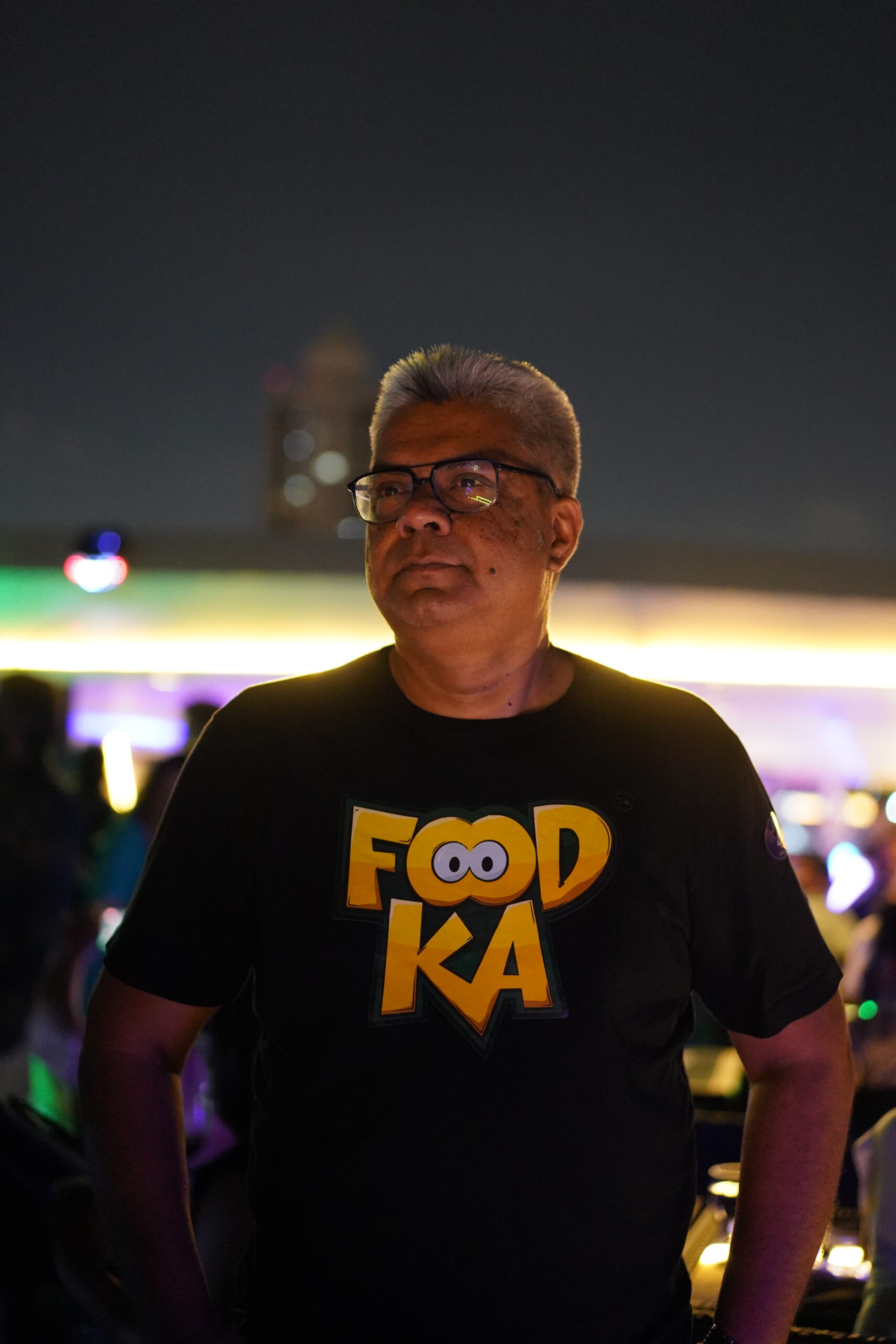
In today’s world, food is often rushed, photographed, and judged before it is tasted. We eat quickly, order faster, and forget to pause long enough to notice who prepared the meal or where the recipe truly came from. But for Indrajit Lahiri known popularly as Foodka — food is not a product to be consumed. It is a living archive of memory, migration, labour, culture, and emotion.To him, a plate of muri-ghonto cooked in a widow’s kitchen, a biryani stirred by a street ustad at dawn, or a tribal ladle of lai saag from Meghalaya holds more history than any textbook. His storytelling doesn’t review taste — it reminds us of identity, belonging, and gratitude. Through his lens, food does not entertain; it connects. And perhaps, in a time where life is fast and impatient, this connection is what we’re missing the most
Here’s where this story slows down and finds its flavor. Let’s step into the pause that food has been asking of us.
By Indrajit Lahiri AKA Foodka Food Researcher, Author & Host of Foodka
Food is never just food. It’s comfort when life feels heavy, celebration when the heart feels light, and memory when the world goes quiet. If you grew up in a home where the crackle of cumin hitting hot oil meant “everything will be okay,” you already know the language I’m speaking. Somewhere between rushing meetings, unread emails, and late-night takeaways, we forgot how to truly eat. How to pause. How to let food hold us the way it once did like parents calling us to the table, like friends fighting over the last piece of aloo bhaja or the final pakoda, like the warm smell of dal that said “you’re home.” Maybe it’s time we return to that.
These days, when I sit down with even a simple plate rice and dal, roti and sabzi, curd and pickle I try to give the moment back its dignity. No phone glowing, no notifications tugging. Just me, the plate, and a little silence. When you slow down enough to take that first bite with intention, something shifts. The food tastes fuller. You taste fuller.
That first bite is honest. It tells you how much care went into the cooking, how alive the ingredients are, how much your body needed what you’re giving it. Whether it’s a bowl of steaming khichdi (or pongal in the South), a plate of fresh idlis, or even yesterday’s leftover rajma–chawal reheated with hope the first bite always speaks. Some of our happiest meals never needed fine dining or perfect lighting. A ₹60 kathi roll that tastes like a whole childhood. Phuchka eaten by the roadside the same beloved snack others call pani puri, golgappa, or gup-chup depending on where the heart belongs. Bhog khichuri at Durga Puja, pongal in a Tamil temple, langar dal in Punjab. Midnight Maggi. Hot samosas or bajjis shared on rainy days. Good food has never asked for pedigree only appetite.
Food becomes unforgettable when someone else is in the frame. A chaotic family dinner where everyone talks over each other. Luchi–torkari (or puri–bhaji in many homes) disappearing faster than anyone admits. Ice cream after a movie with friends. Payesh on birthdays the same sweetness many know as kheer cooked for love, not just taste. Eating alone fills the stomach, but eating together fills something deeper.
I often think our street food vendors are the real archivists of India. They preserve flavours the way old musicians preserve ragas the phuchka-wala who knows your perfect tangy-spicy balance, the idli vendor who remembers your extra podi, the chai tapri that has witnessed more real conversations than most living rooms. Eating street food is like tasting history unpolished, honest, alive.
How to Truly Taste Food
If you really want to enjoy food, taste it with your whole self. Notice the spice that lingers, the yoghurt that soothes it, the crunch that gives way to softness. Notice how rasam clears a tired head, how biryani lifts a tired day, how midnight chocolate feels like a tiny rebellion you deserved. Let your mood guide you. Some days call for rich mutton kosha or slow-cooked mutton curry. Some days need only curd rice, dal–chawal, or roti with a little ghee. Some days demand salads and warm herbal tea. And some days call for nothing but chai in peace.
Rituals help. Sunday breakfasts the whole family waits for. Biryani after a tough week. Chai with a friend who listens well. Food rituals turn ordinary days into small celebrations.
And cook even badly at first. Boil something. Toast something. Fry something. Cooking changes your relationship with the plate. You start appreciating the hands that fed you all your life. And when you share your imperfect creation with someone you love, it becomes perfect anyway. Travel through food too. Every city tastes different filter coffee mornings in Chennai, kachori in Jaipur, poha in Indore, misal in Pune, litti in Bihar, momos in the Northeast. When you explore a place through its flavours, you understand its people without needing words. You’re tasting stories, migrations, climates, memories.
The Only Rule That Matters
Make your plate your own. No comparisons, no guilt, no food one-upmanship. Eat what you love. Don’t reject what you don’t just leave room for discovery. Food is personal. It’s emotion. It’s identity. It’s a version of your soul. Above all, respect food. Think of the farmers, the early morning markets, the hands that chopped and stirred, the stove that stayed warm. Gratitude tastes good.
In the end, food is the quickest comfort life offers. A sip of chai, a spoon of dal, a bite of something warm and suddenly the day softens. Life gets messy. Plans change. People disappoint. But a good meal? A good meal anchors you. So the next time you eat, pause. Look. Breathe. Taste. Whisper a quiet thank you to the cook, to the ingredients, to the moment.
Food isn’t just part of life. Sometimes, food is life. And learning how to enjoy it truly, deeply, lovingly might be one of the kindest things you ever do for yourself.
